Kashmir has four genuinely distinct seasons, and the right month depends entirely on whether you came for tulips, snow, saffron or solitude.
Most people ask which is the best month to visit Kashmir. The honest answer is that there is no single best month - there is only the month that matches what you came for. Here is how the year actually reads on the ground.
March to May - blossom and tulips
The valley wakes up. Almond blossom in Badamwari through March, and the Indira Gandhi Memorial Tulip Garden opens for roughly three weeks from the end of March into mid-April with more than a million bulbs in flower. Daytime temperatures sit between 15 and 22 C. Gulmarg still holds snow at Apharwat well into April, so this is the one window where you can photograph tulips in the morning and stand in snow the same afternoon.
June to August - the classic summer
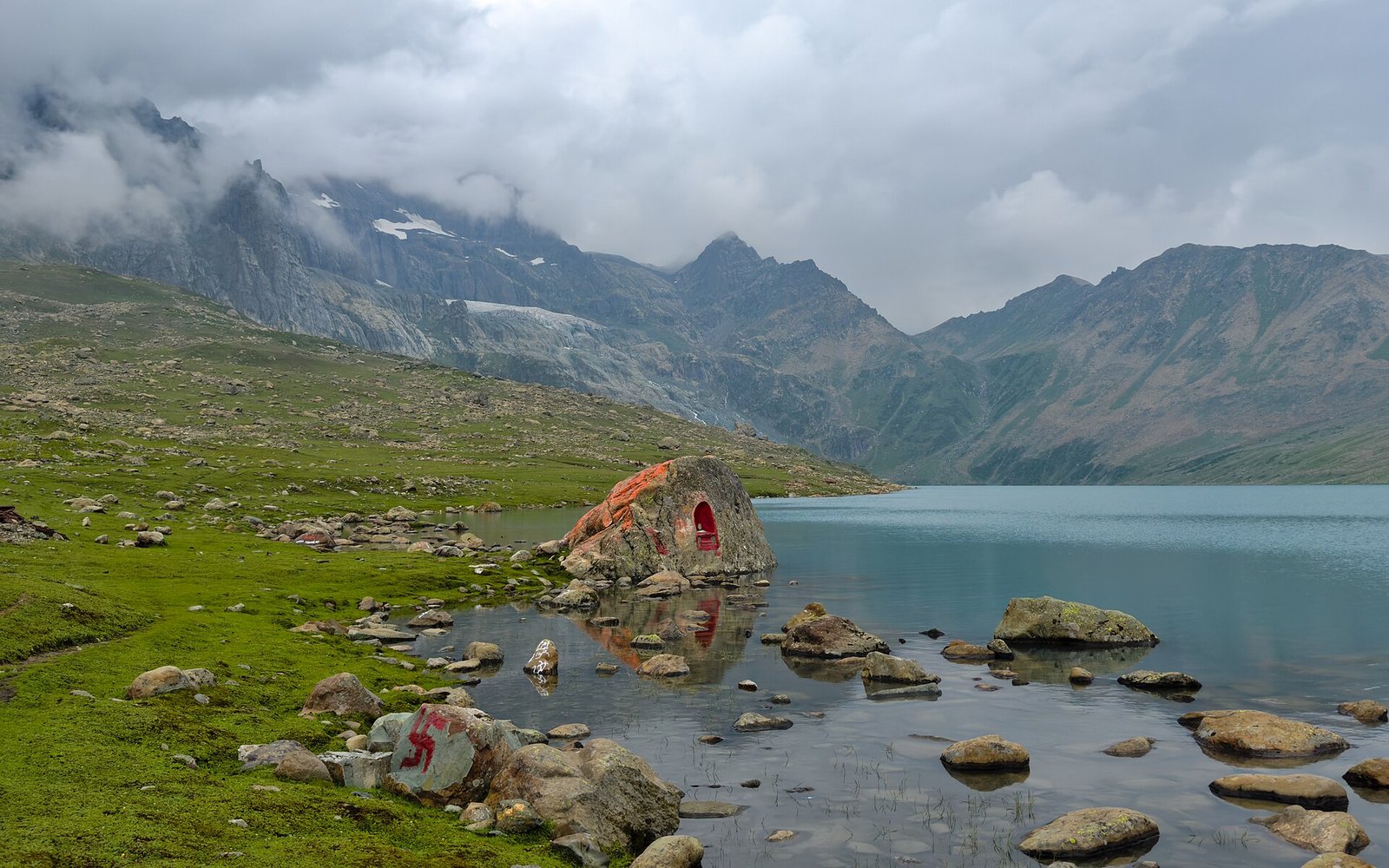
Peak season. Meadows are fully green, every high valley is open, and the Great Lakes trek season begins in early July. Book hotels and houseboats six to eight weeks ahead - this is when the valley is busiest and when substitution of hotels is most common with careless operators.
September to November - saffron and chinar
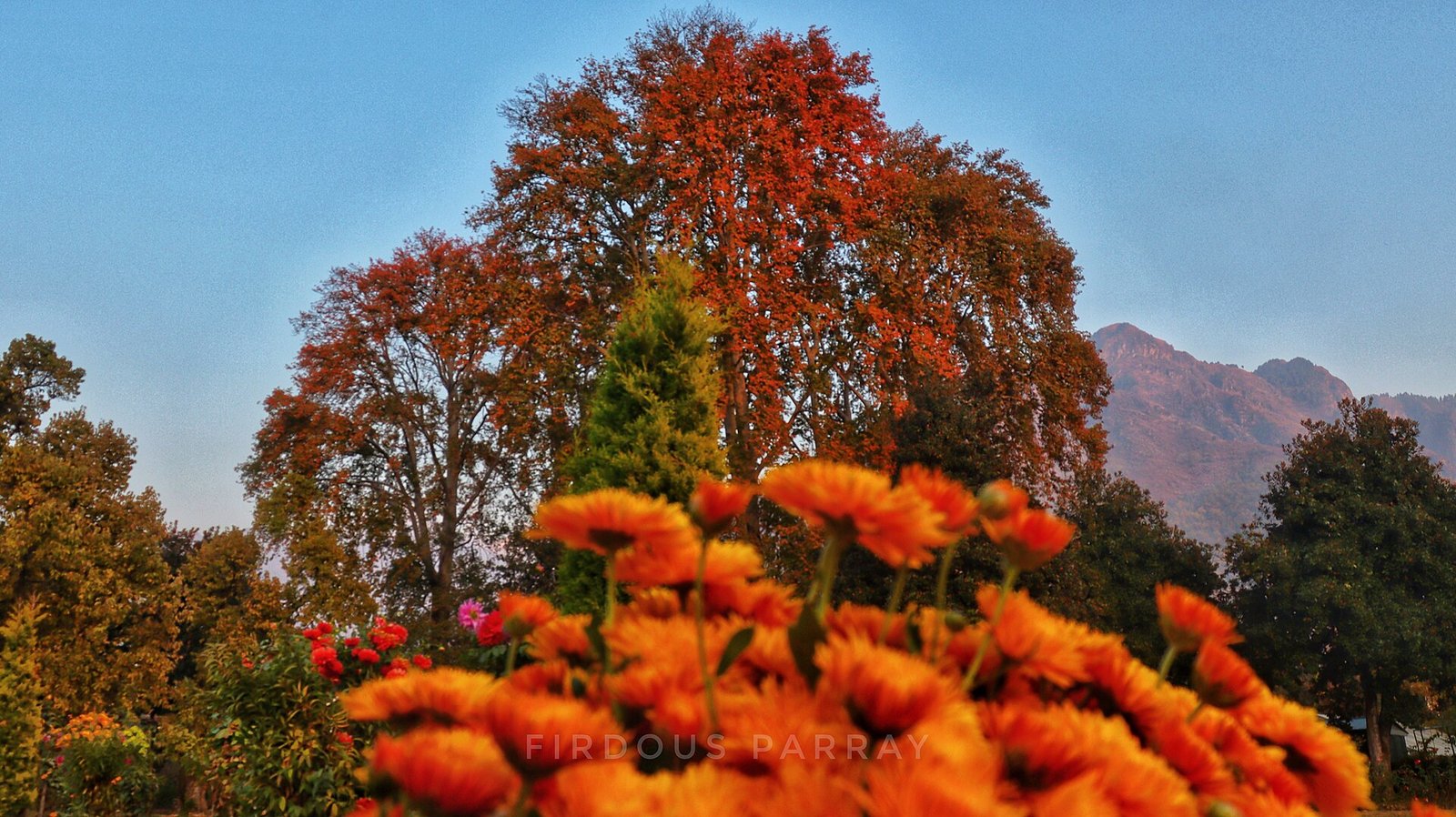
Our own favourite. The crowds thin out, the chinar trees in Nishat Bagh turn rust and gold through late October, and the saffron fields at Pampore flower for about two weeks around the end of October. Prices drop noticeably after the second week of September.
December to February - snow
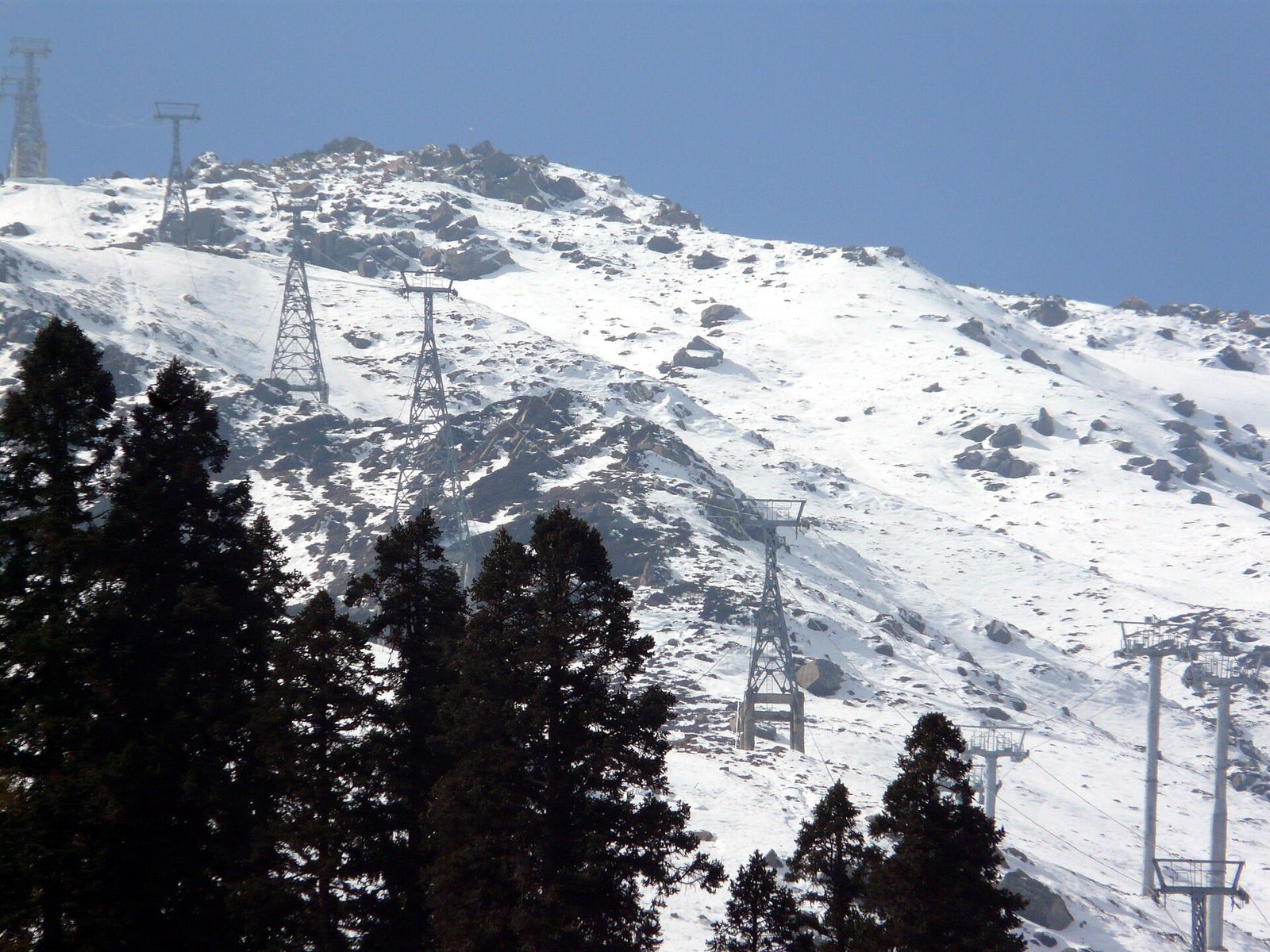
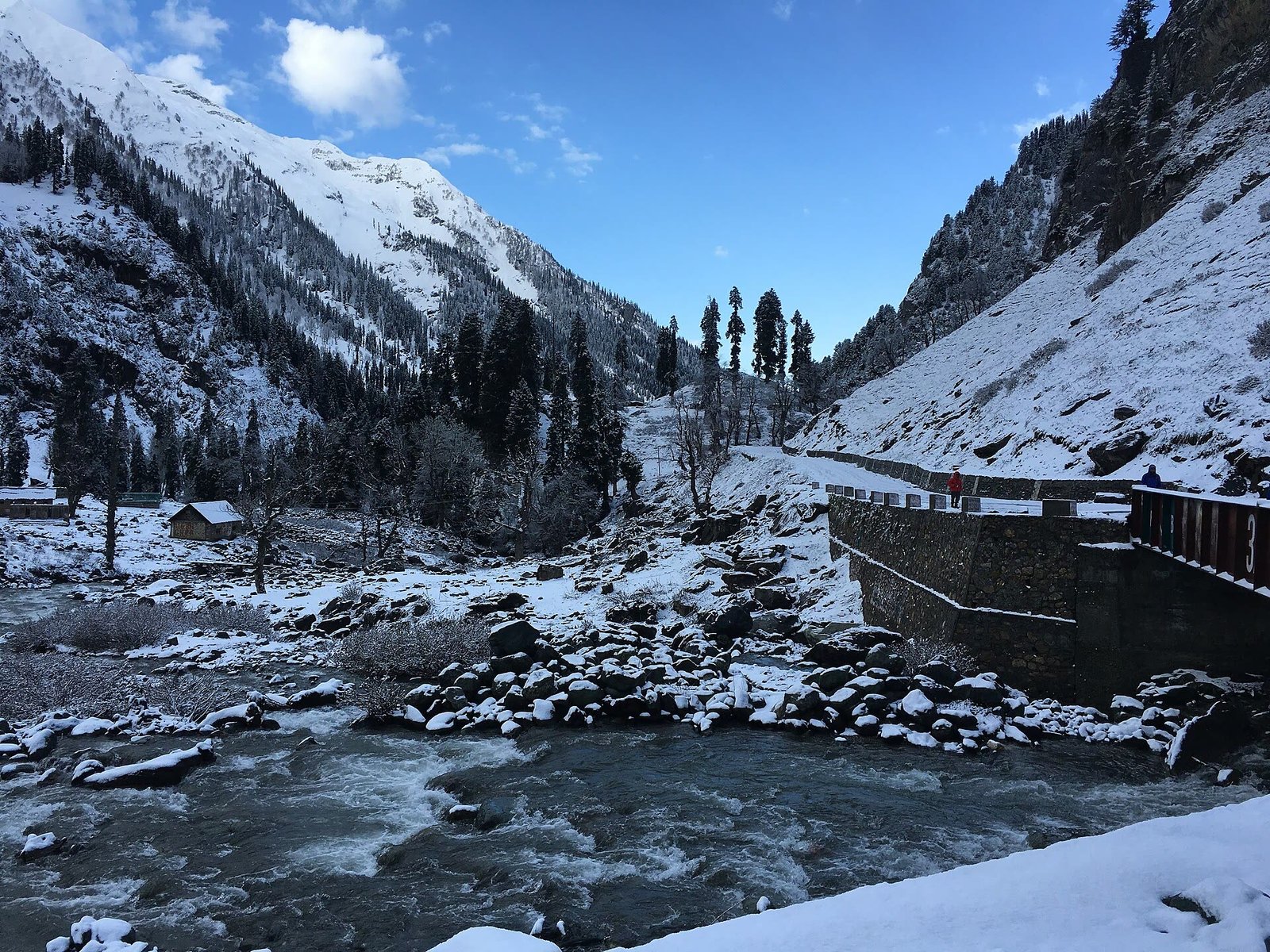
Gulmarg becomes a serious ski destination and Srinagar settles into its quiet, smoky, kangri-warmed winter. Chillai Kalan, the forty harshest days, runs from 21 December to 31 January. The road to Sonmarg closes; Gulmarg and Pahalgam stay reachable.
The short version
Tulips - the first three weeks of April. Green meadows - June to August. Golden light and fewer people - late September to October. Snow and skiing - January and February.